


Teej is the festival of the monsoon, celebrated by women across Rajasthan, Haryana, Punjab, Uttar Pradesh, Bihar and Madhya Pradesh — and in Nepal. There are three Teejs: Hariyali Teej in the month of Shravan (July or August), Kajari Teej about two weeks later, and Hartalika Teej in Bhadrapada (August or September).
The story of Teej
Teej celebrates the union of Shiva and Parvati. Parvati is said to have performed penance for 108 lifetimes to win Shiva as her husband, and Teej honours her devotion. Married women pray for their husbands’ wellbeing and a happy marriage; unmarried girls pray for a good partner. Many keep a fast, some without water, especially on Hartalika Teej.
How Teej is celebrated
- Swings: jhoolas are tied to trees and decorated with flowers, and women swing in turns singing Teej songs.
- Mehendi: hands are decorated the day before, and the deeper the colour, the happier the year ahead, they say.
- Sindhara: a married woman’s family sends her a gift of clothes, bangles, mehendi and sweets.
- Ghevar: the honeycomb-like sweet of Rajasthan is the taste of Teej.
- Teej procession in Jaipur: the goddess Teej Mata is carried from the City Palace in a grand procession with elephants, camels and folk dancers.
What to wear for Teej
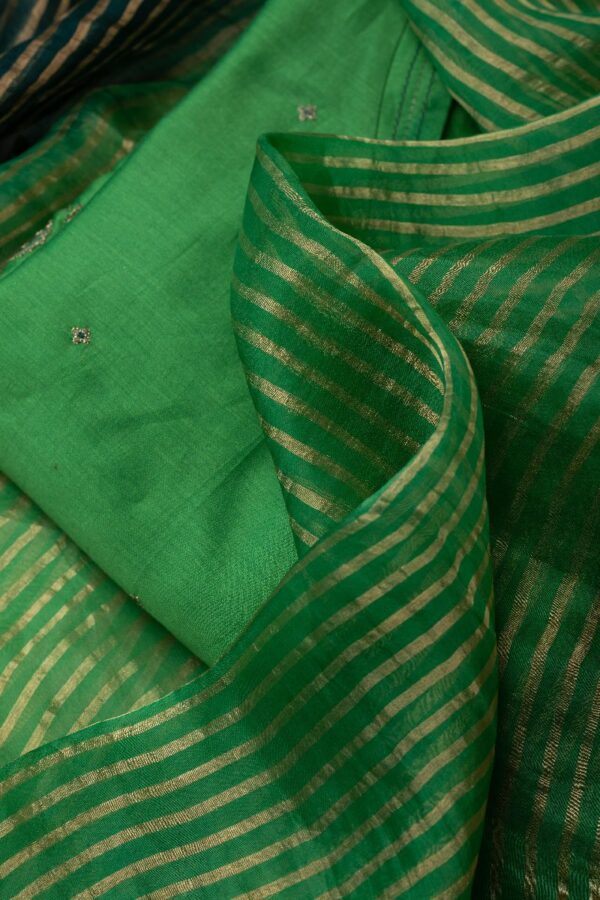
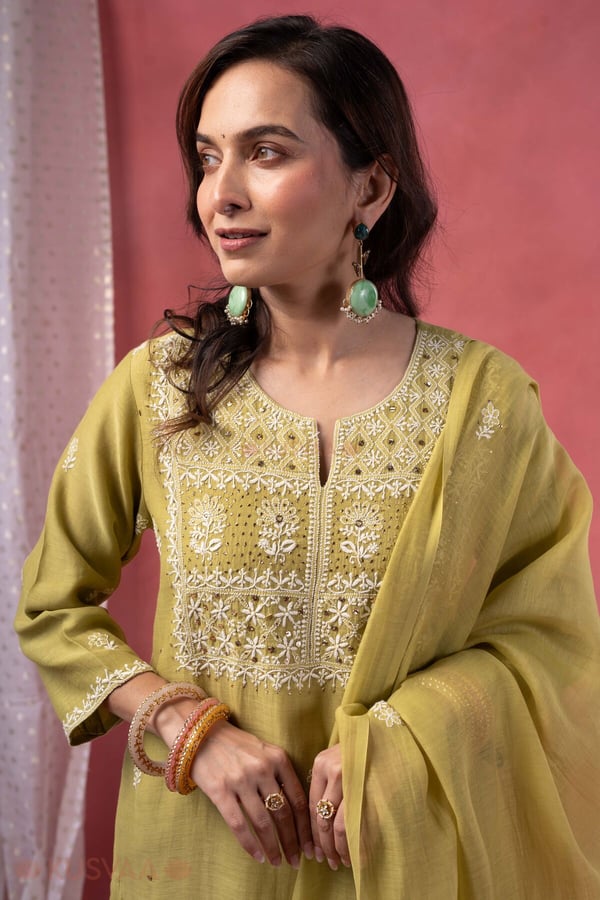
- Green, above all: Hariyali means “greenery” — every shade of green, from parrot to bottle, with green bangles to match.
- Leheriya: the wave-patterned tie-dye of Rajasthan is the classic Teej print — it looks like rain on the desert.
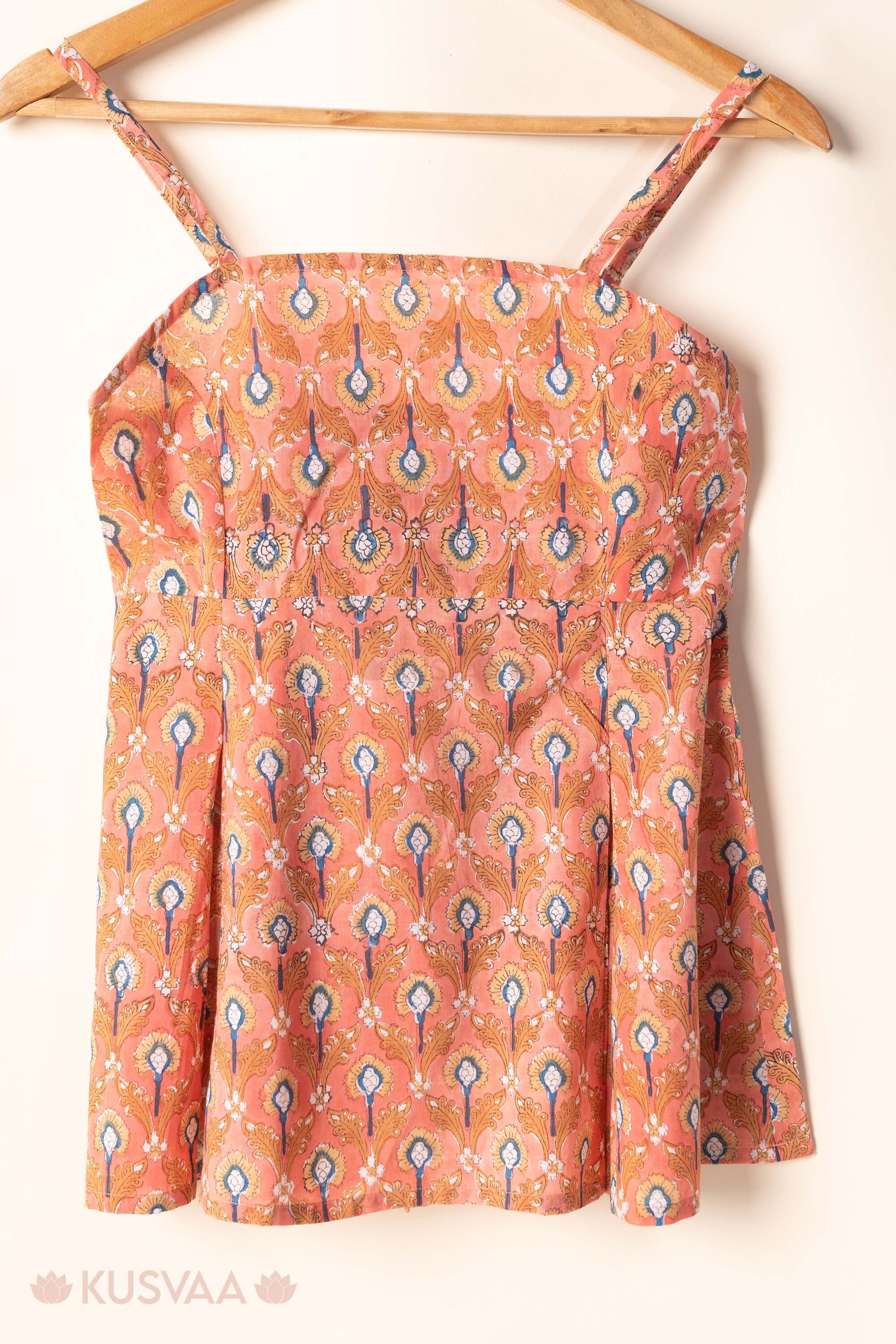
- Bandhani and gota patti: bright, festive and monsoon-friendly.
- Fabric for the rain: cotton and mulmul that dry fast.
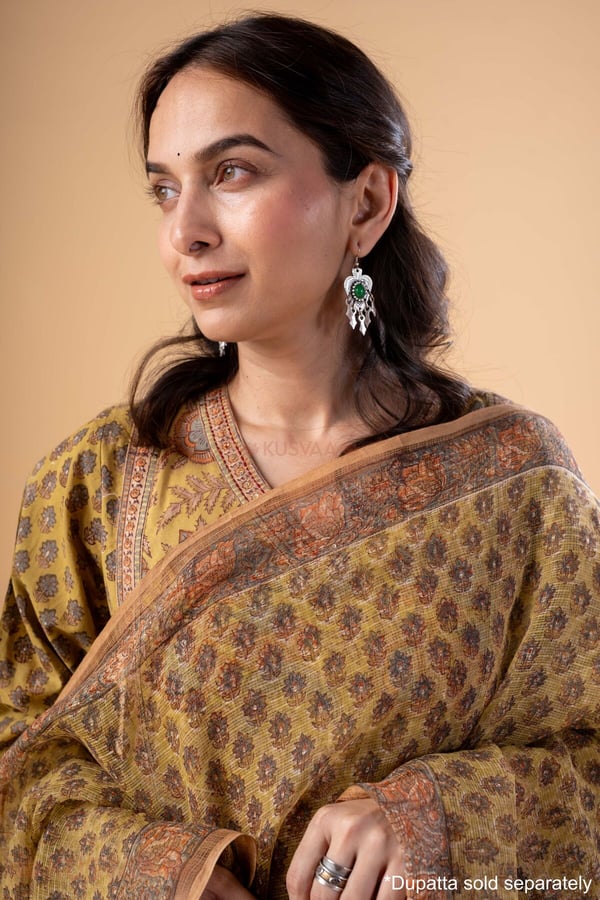
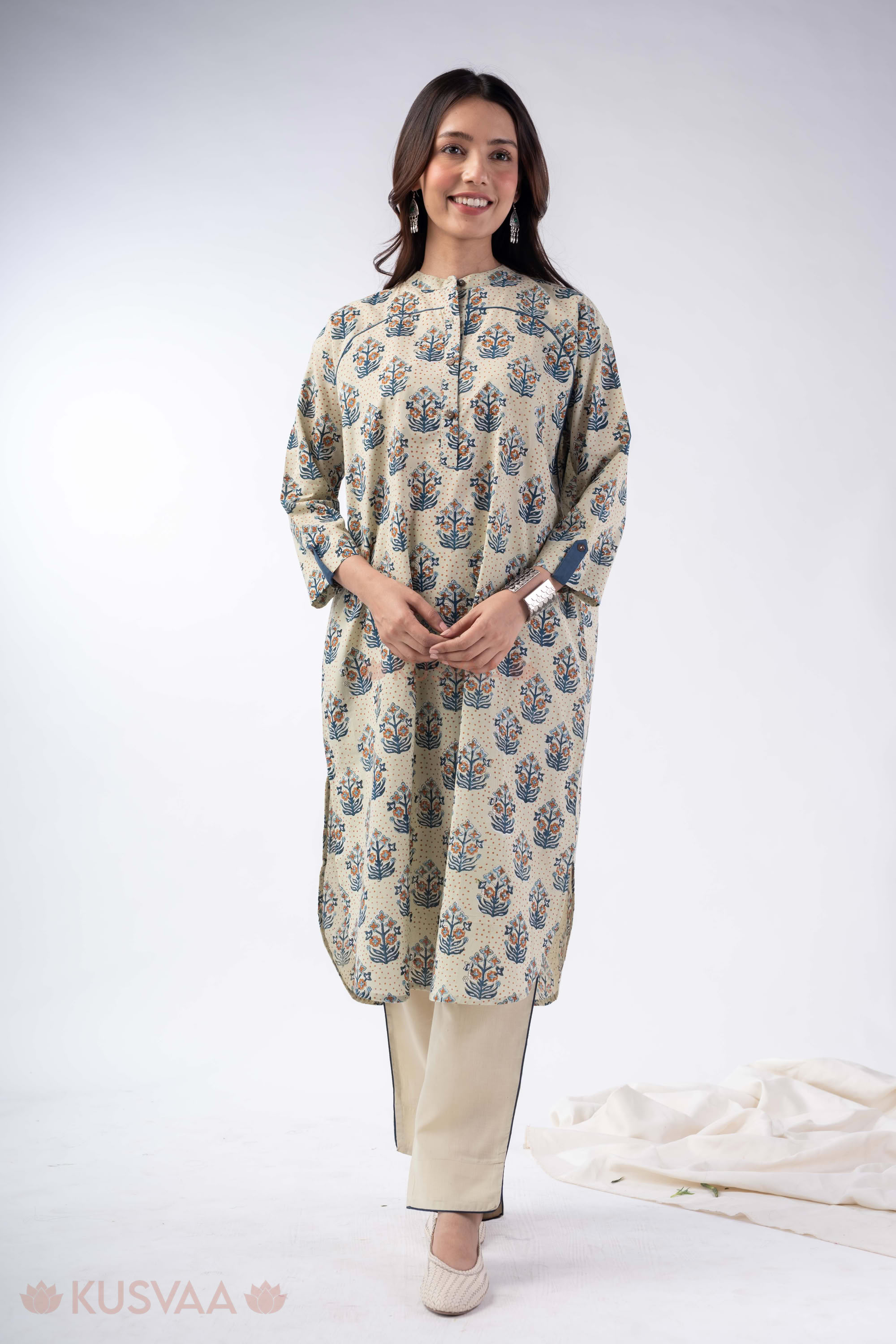
Find greens and monsoon colours in our monsoon season collection.
Happy Hariyali Teej — green, glad and festive.


