





On 26 January 1950, the Constitution of India came into force and India became a sovereign, democratic republic. Every year, Republic Day celebrates that moment — and the ideas the Constitution stands for: justice, liberty, equality and fraternity.
Why 26 January?
The Constitution was adopted by the Constituent Assembly on 26 November 1949 (now observed as Constitution Day), but it was brought into force on 26 January — the anniversary of 26 January 1930, when the Indian National Congress declared Purna Swaraj, complete independence, as its goal.
How the day is celebrated
- The parade: on Kartavya Path in New Delhi, the President takes the salute at a parade of the armed forces, with tableaux from states and ministries showing India’s culture, crafts and progress, and a flypast to close.
- Across the country: flag hoisting in every state capital, school, office and housing society, with the national anthem and cultural programmes.
- Beating Retreat: on 29 January, military bands perform at Vijay Chowk as the sun sets, formally closing the celebrations.
The tricolour
Saffron stands for courage and sacrifice, white for truth and peace, and green for faith, growth and the land. The navy-blue Ashoka Chakra at the centre, with 24 spokes, stands for the wheel of law and progress.


Dressing in the tricolour
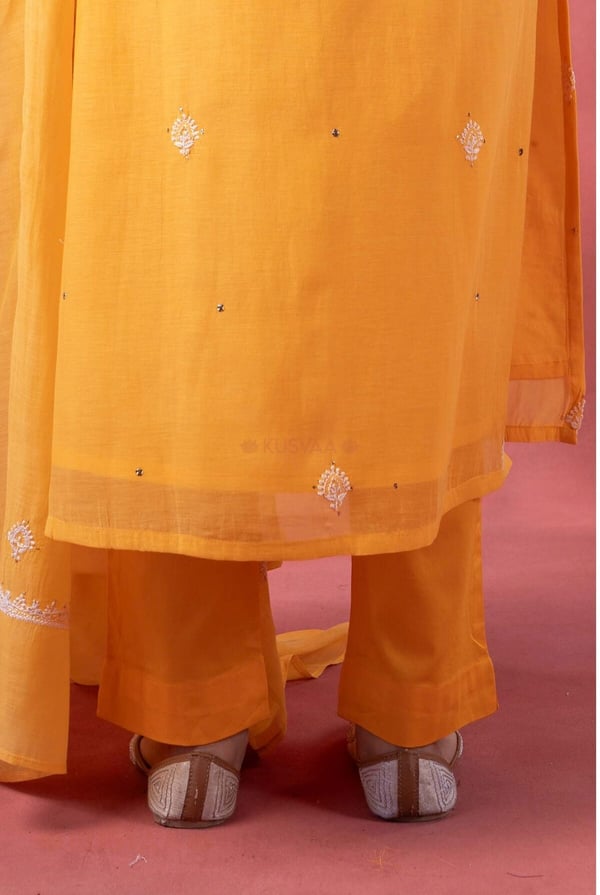
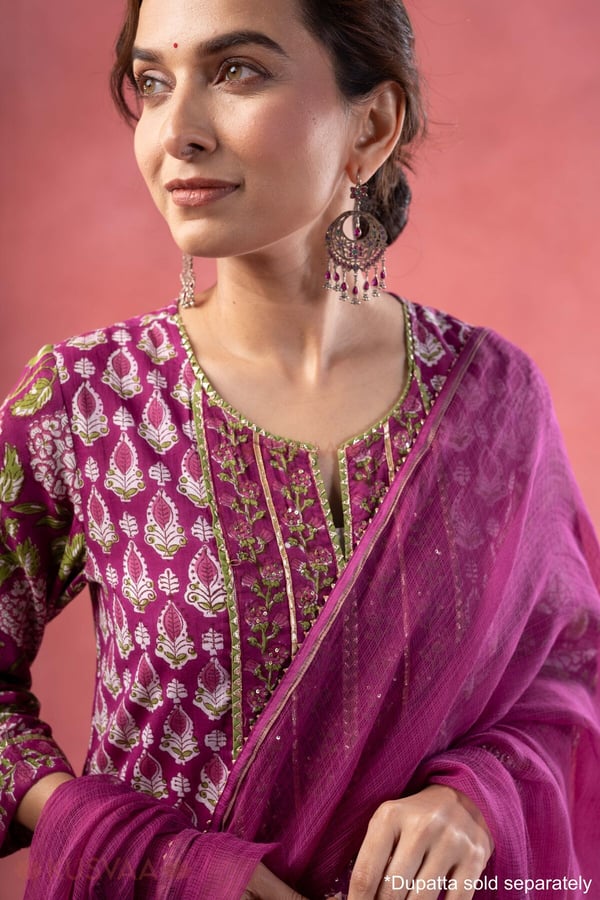
- Keep it simple: a white kurta with a saffron or green dupatta, or a kurta in one of the three colours with white pants.
- Handloom and khadi: wearing Indian handloom is a lovely way to mark the day — and to support weavers.
- Respect the flag: under the Flag Code, the national flag itself should not be worn as clothing or printed on garments worn below the waist; dress in its colours instead.
Find white, saffron and green pieces across our collections.
Happy Republic Day — proudly made in India.


