


Nuakhai — from nua (new) and khai (food) — is the festival of the new rice, celebrated across western Odisha, especially in Sambalpur, Bargarh, Bolangir, Kalahandi and Sundargarh, and by Odia communities everywhere. It falls on the fifth day (panchami) of the bright half of Bhadrapada, usually in August or September, the day after Ganesh Chaturthi.
The meaning of Nuakhai
Before anyone eats from the new paddy harvest, the first grain — nua — is offered to the gods, and to the presiding deity of Sambalpur, Maa Samaleswari, at an auspicious time (lagna) fixed by the temple priests. Only then do families eat the new rice together. It is a festival of gratitude to the land and the goddess, and of family coming home.
How it is celebrated
- Preparation: homes are cleaned, and the new paddy is gathered from the fields.
- The offering: the nua is cooked into kheeri and offered to the household deity, then shared — with the eldest member serving the family.
- Nuakhai Juhar: after the meal, younger members touch their elders’ feet and receive blessings, and people greet one another with “Nuakhai Juhar”. Old disagreements are set aside.
- Bhetghat: the days after are for visiting friends and relatives.
- Music and dance: Sambalpuri folk dances like Dalkhai and Rasarkeli, with the dhol and nisan drums.
What to wear for Nuakhai
- Sambalpuri, of course: the ikat sarees and fabrics woven in the region — bandha patterns, the shankha (conch), chakra (wheel) and phula (flower) motifs — are the pride of Nuakhai.
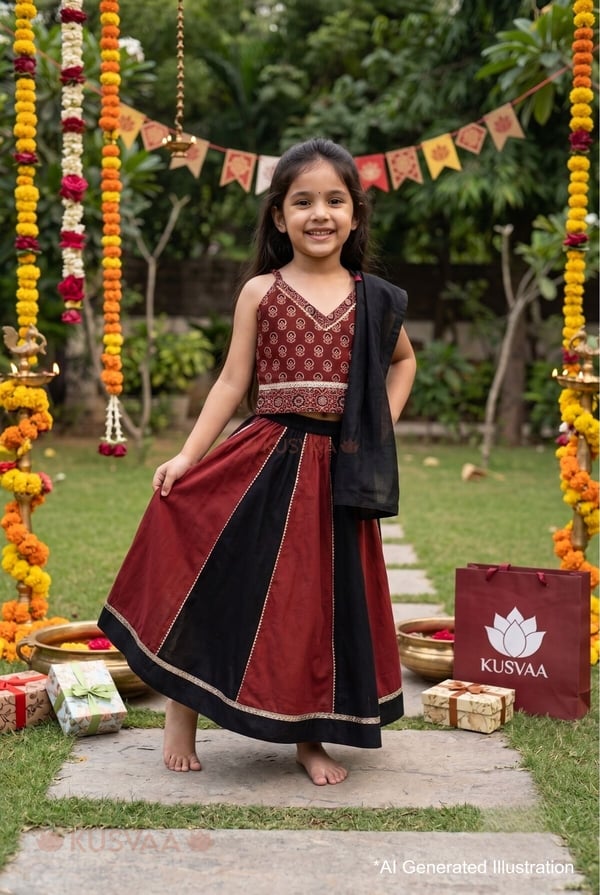
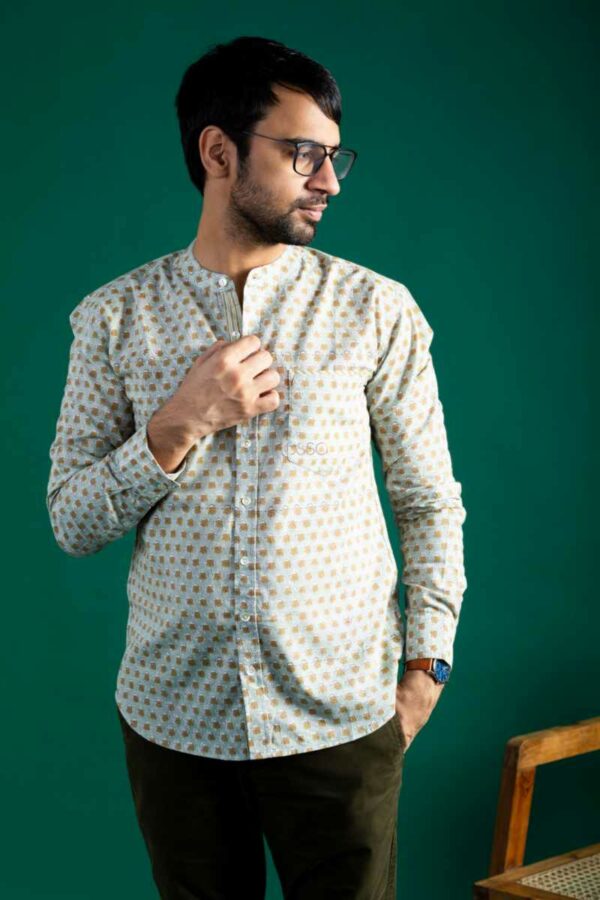
- New clothes for everyone: it is a festival of the family.
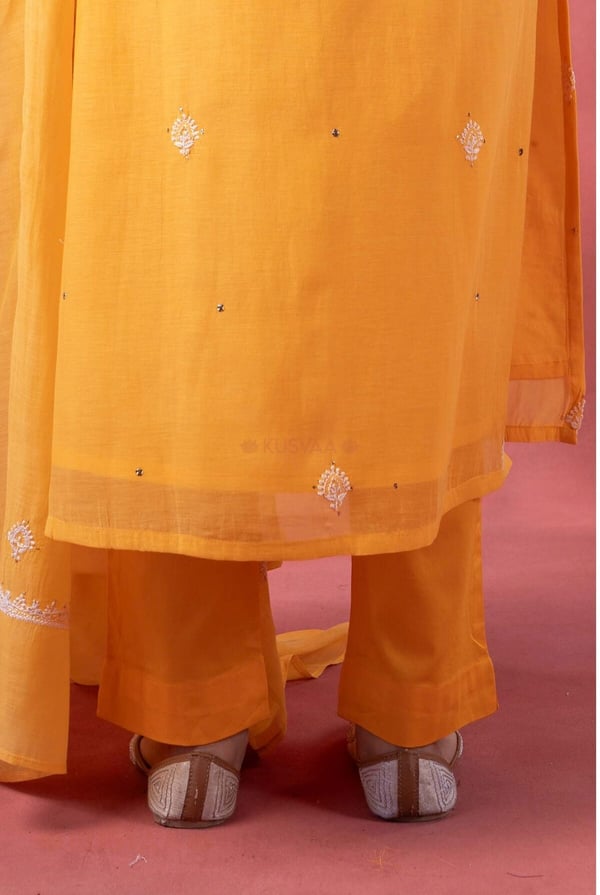
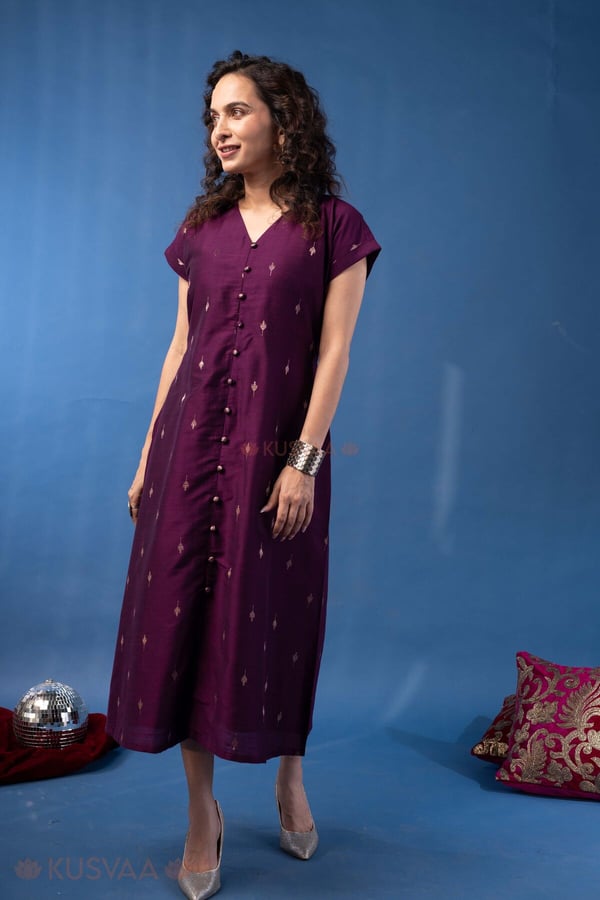
- Light cottons: it is late monsoon — cotton and handloom in earthy reds, maroons, blacks and whites.
Browse our collections for handloom-inspired cottons.
Nuakhai Juhar!


