



Around 14 January, the sun enters Makara (Capricorn) in the Indian solar calendar and begins its journey north — Uttarayan. It marks the end of the coldest days and the arrival of the winter harvest, and India celebrates it under many names, from Punjab to Tamil Nadu to Assam. It is one of the very few Hindu festivals that follow the sun rather than the moon, which is why its date barely moves.
Lohri — Punjab and Haryana (13 January)
On the night before Sankranti, families and neighbours gather around a bonfire, throwing in til (sesame), gur (jaggery), popcorn and peanuts while singing songs of Dulla Bhatti. Bhangra and gidda follow. A family’s first Lohri after a wedding or a baby’s birth is celebrated with special joy.
Makar Sankranti — across India (14 or 15 January)
Sankranti is marked with holy dips in rivers — especially at the Ganga Sagar mela in Bengal and in Prayagraj — and with sweets of sesame and jaggery: til laddoo, chikki, gajak. In Maharashtra, people exchange tilgul with the words “tilgul ghya, god god bola” — take this sweet and speak sweetly.
Uttarayan — Gujarat (14 and 15 January)
Gujarat’s skies fill with kites. Whole families spend the day on rooftops, with music, undhiyu and jalebi, competing to cut each other’s kites with glass-coated manja. Ahmedabad hosts an International Kite Festival.
Pongal — Tamil Nadu (four days)
- Bhogi: old things are discarded and burnt in a bonfire.
- Thai Pongal: new rice is boiled with milk and jaggery in a clay pot until it overflows — “pongal!” — a sign of plenty, offered to the sun.
- Mattu Pongal: cattle are bathed, their horns painted and garlanded, and thanked for their work.
- Kaanum Pongal: a day for family outings and visits.
Magh Bihu (Bhogali Bihu) — Assam
On the eve, young people build bhelaghar and meji (bonfire structures) in the fields and spend the night feasting. The meji is burnt at dawn, and homes are full of pitha, laru and other rice sweets.
And more
In Karnataka, Sankranti brings ellu-bella (sesame and jaggery) exchanges; in Andhra Pradesh and Telangana, a three-day Sankranti with rangoli, haridasu singers and kite flying; in Kerala, the Makaravilakku at Sabarimala.
What to wear
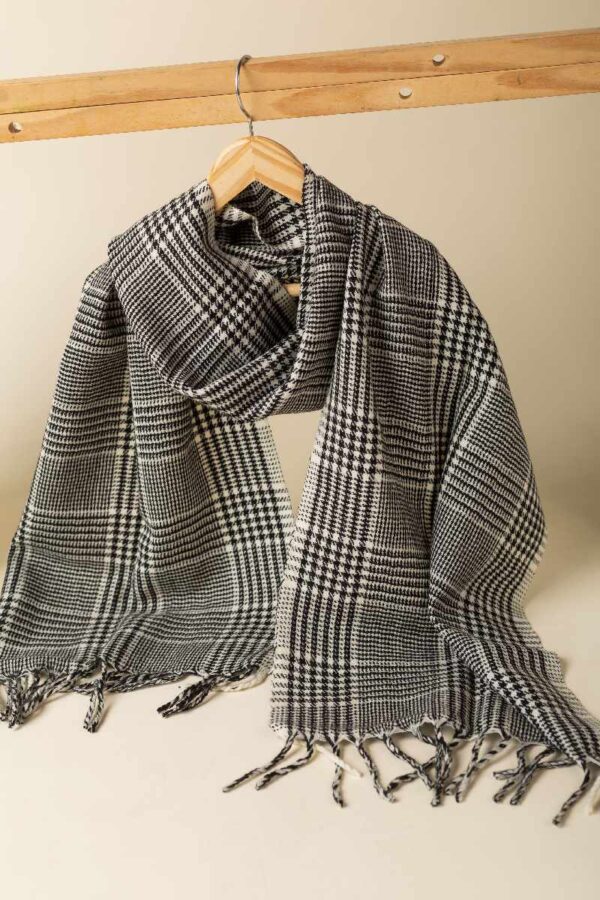
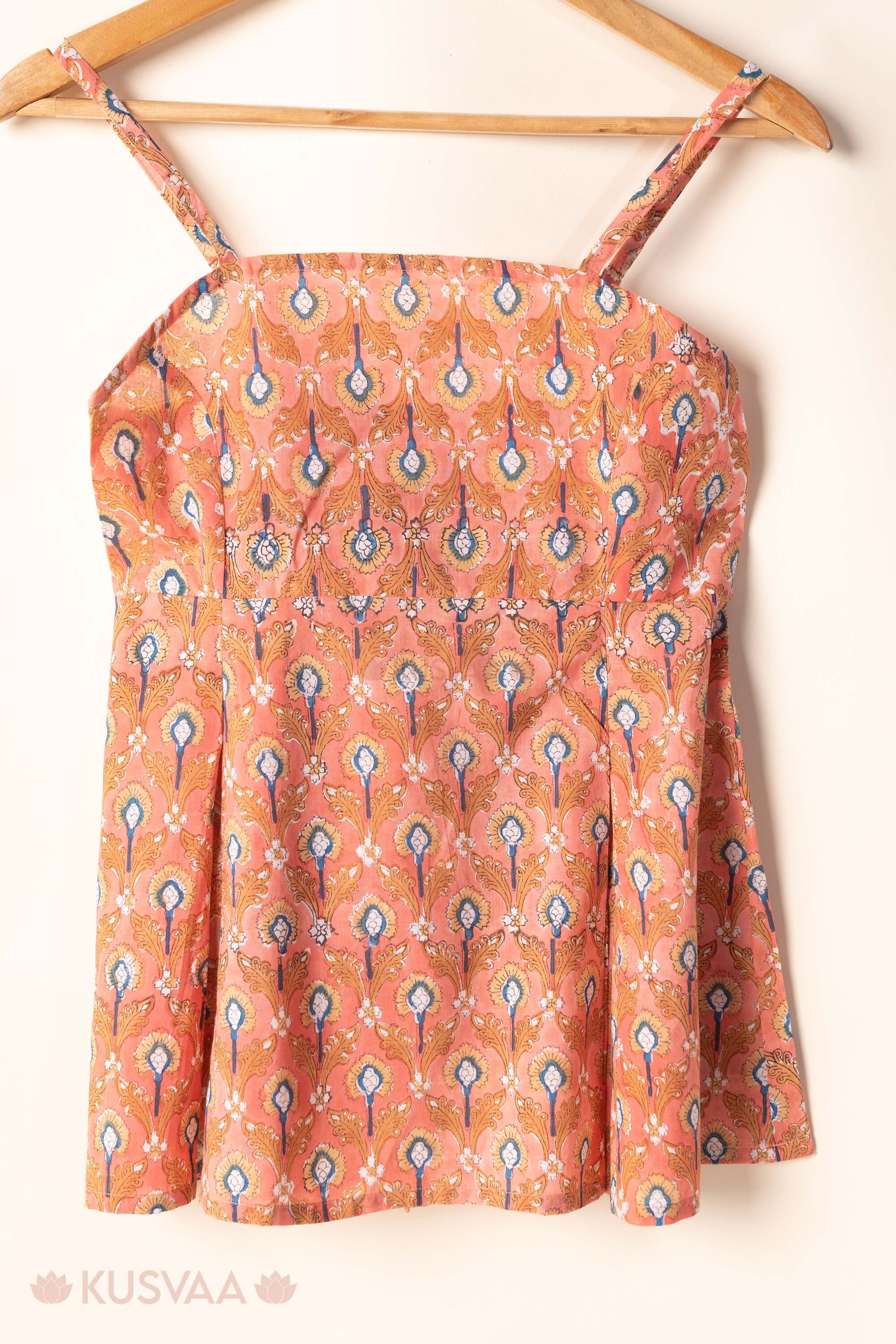
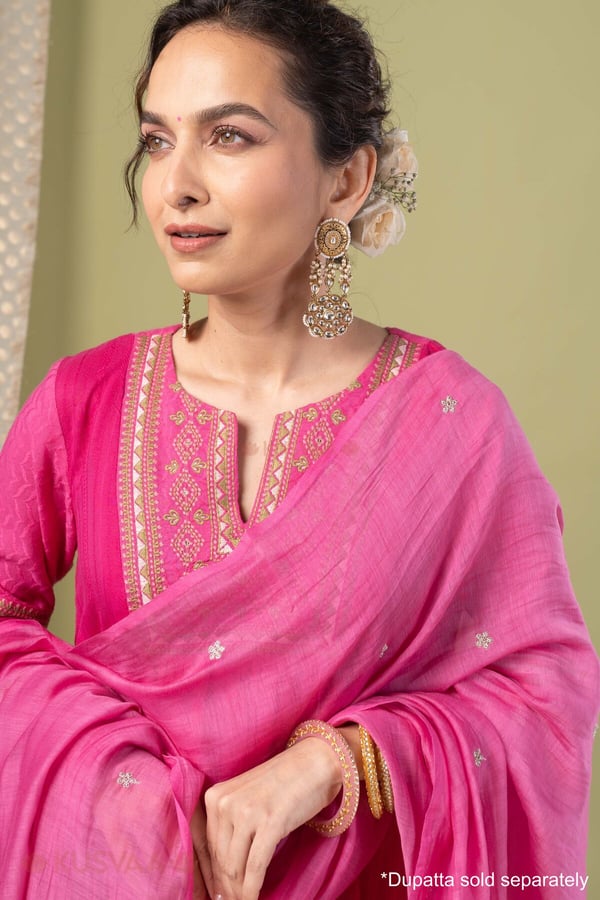
- Lohri night: bright phulkari-inspired colours with a warm shawl or jacket — it is the coldest week of the year in the north.
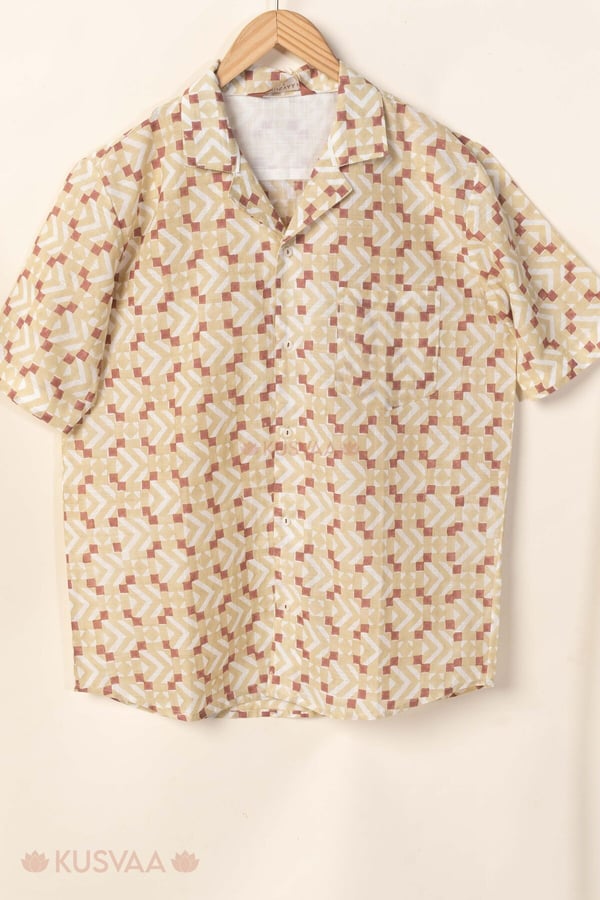
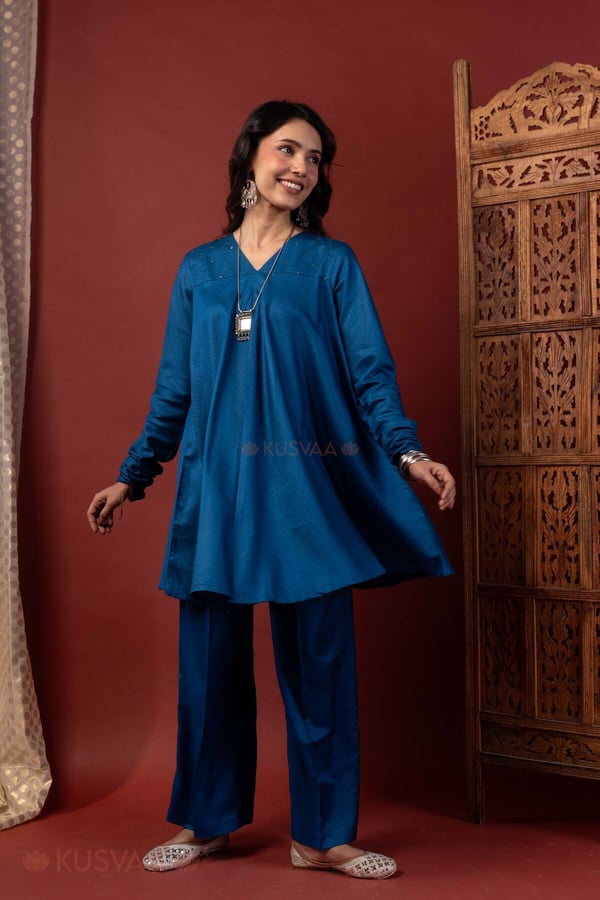
- Uttarayan on the rooftop: comfortable cotton, a cap, and sleeves that do not get in the way of the string.
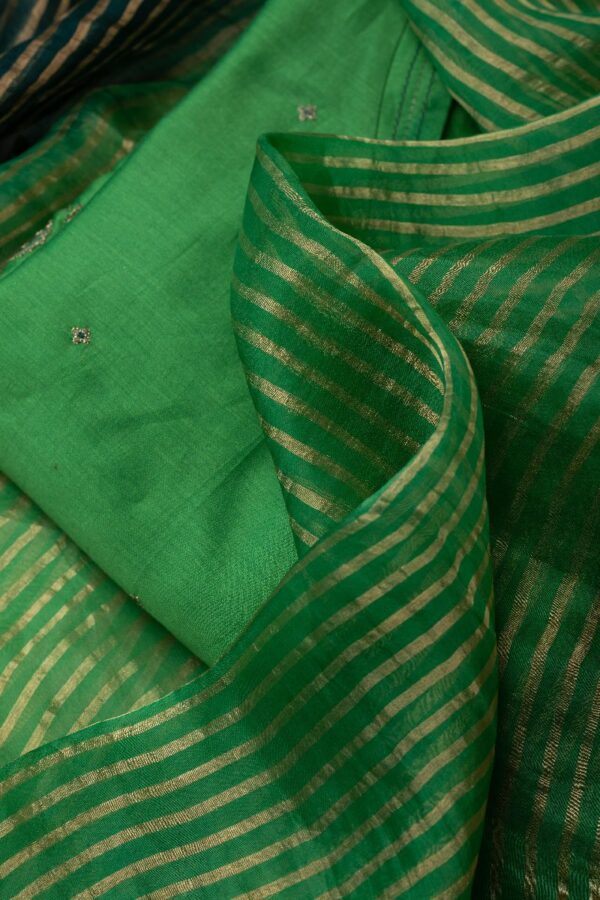
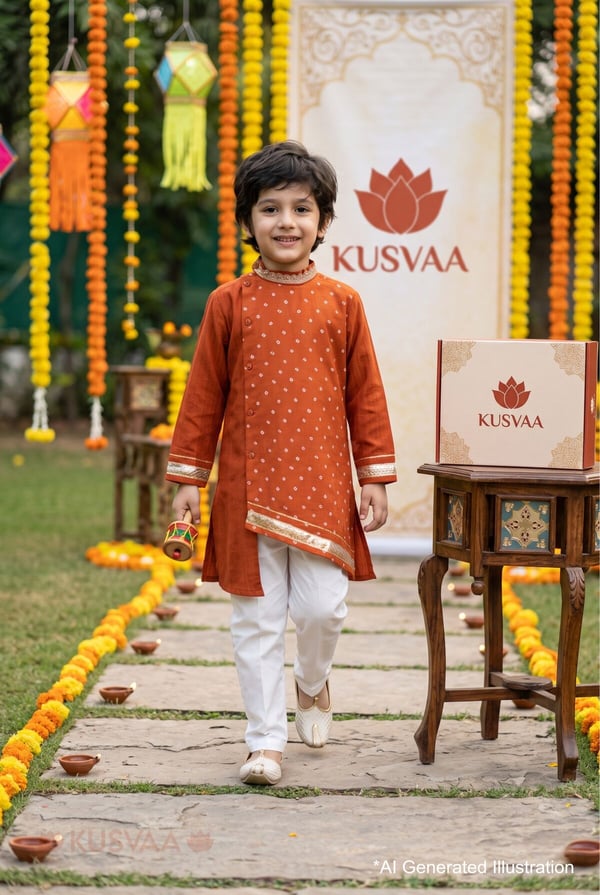
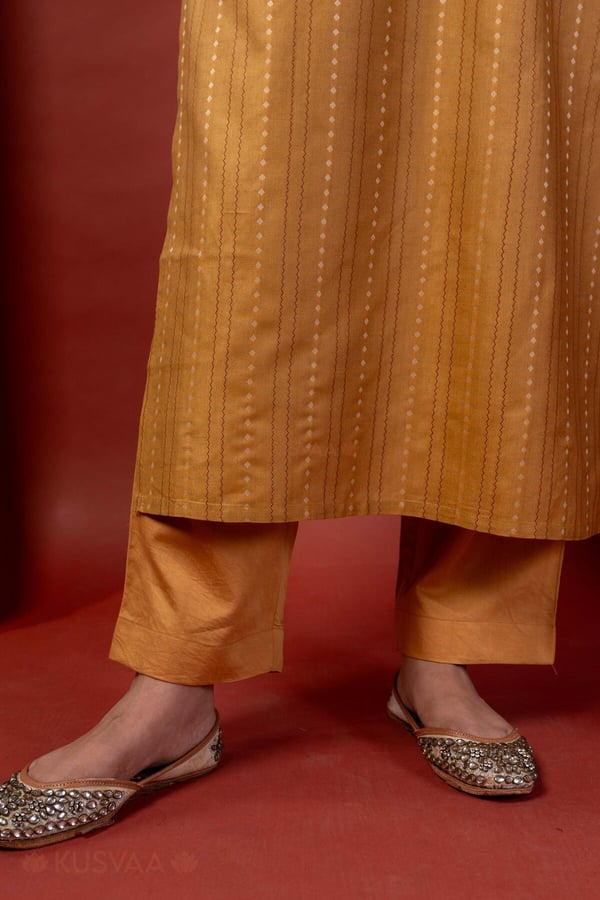
- Pongal: traditional silks and cottons in yellow, green and turmeric shades; veshti and pattu pavadai.
- Sankranti in Maharashtra: black is traditional for the day — it keeps warm in the winter sun.
See our winter season collection for warm layers in festive colours.
Happy Lohri, Makar Sankranti, Pongal, Magh Bihu and Uttarayan!


