


Maha Shivratri — “the great night of Shiva” — is one of the most important nights in the Hindu calendar. Unlike most festivals, it is observed at night, with fasting, prayer and wakefulness. It falls on the fourteenth night of the dark half of the month of Phalguna (Magha in the southern calendar), usually in February or March.
Why it is celebrated
Many stories are linked to the night. It is remembered as the night Shiva and Parvati were married; as the night Shiva performed the Tandava, the cosmic dance of creation and destruction; and as the night he drank the poison that rose from the churning of the ocean to protect the world, which turned his throat blue (Neelkanth). For many, it is above all a night to turn inward — a night to overcome darkness and ignorance.
How it is observed
- Fasting: devotees fast through the day, some without water, eating only fruit or sabudana dishes if at all.
- Abhishekam: the Shiva lingam is bathed with water, milk, curd, honey, ghee and sugar, and offered bel (bilva) leaves, dhatura and white flowers.
- Jagran: devotees stay awake through the night, chanting “Om Namah Shivaya”, singing bhajans and worshipping in four watches (prahars).
- The great temples: Kashi Vishwanath in Varanasi, Somnath, Mahakaleshwar in Ujjain and the other jyotirlingas draw huge crowds, as do Mandi’s week-long Shivratri fair in Himachal and the Isha Yoga Centre’s all-night celebration in Coimbatore.
- Kashmir: Kashmiri Pandits celebrate it as Herath, their most important festival.
What to wear for Maha Shivratri
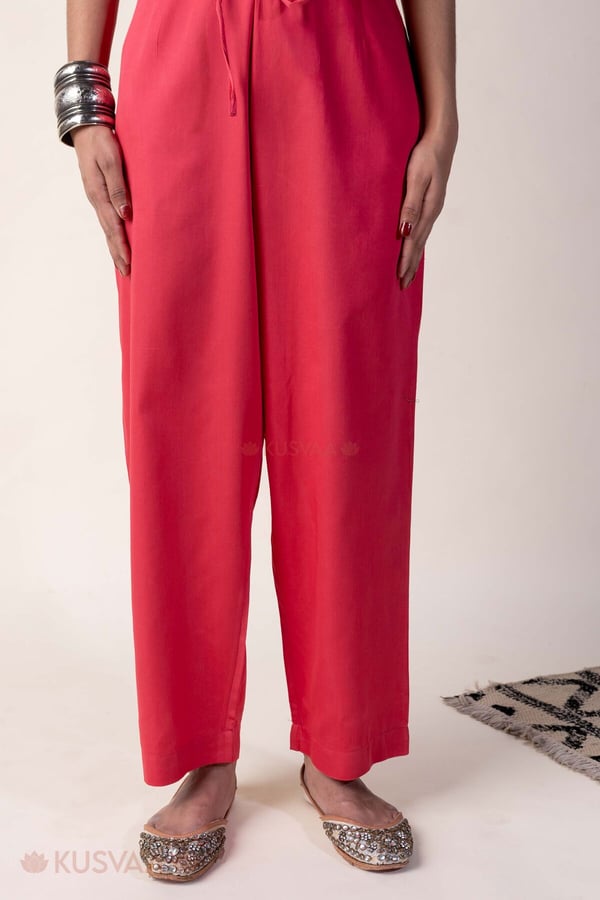
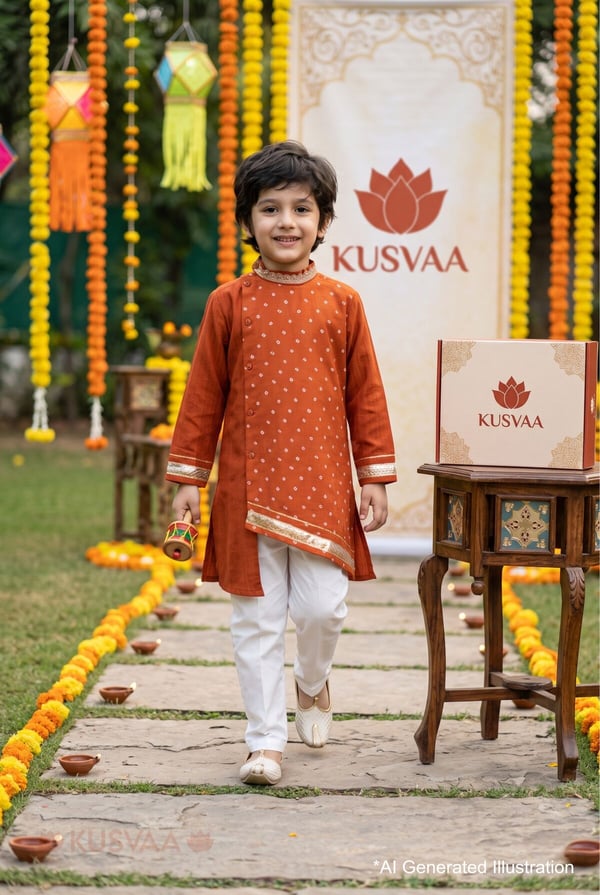
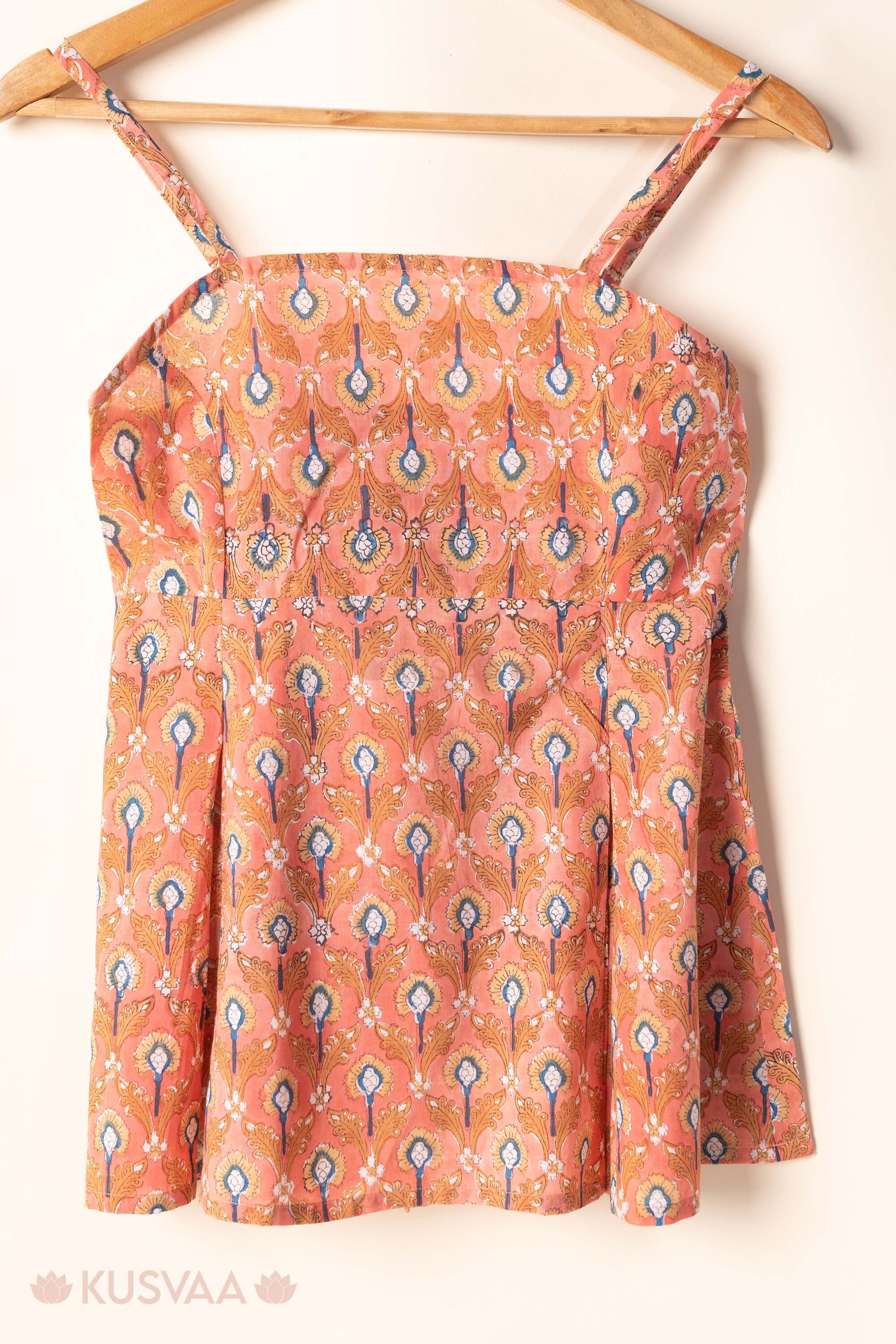
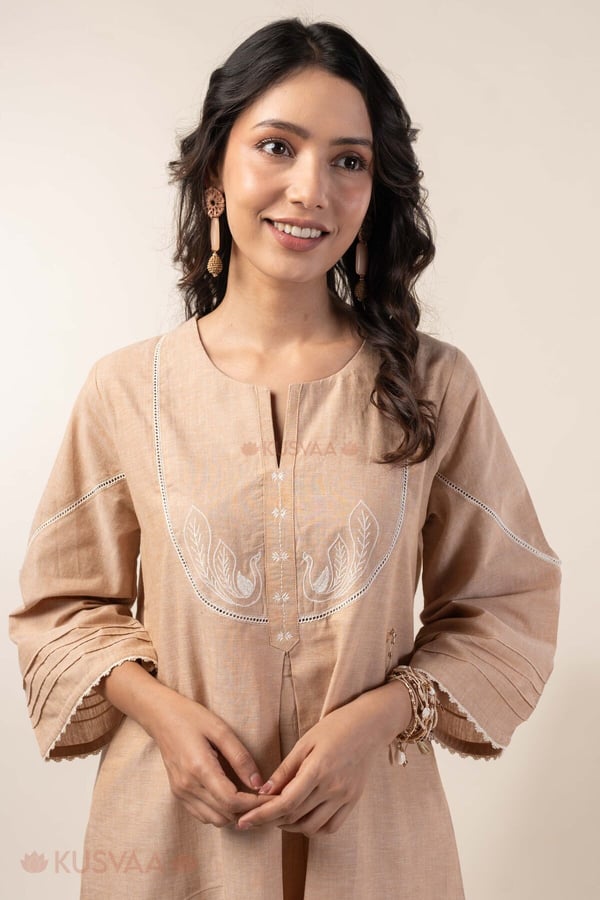
- White and light colours: white, cream, ash grey and pale blue are traditional and calm — fitting for a night of prayer. Saffron and orange are also worn.
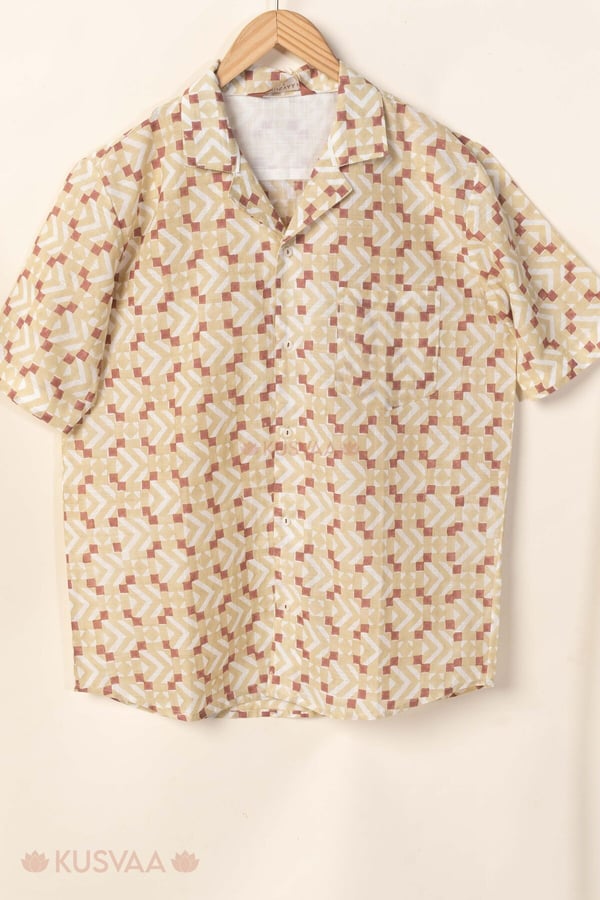
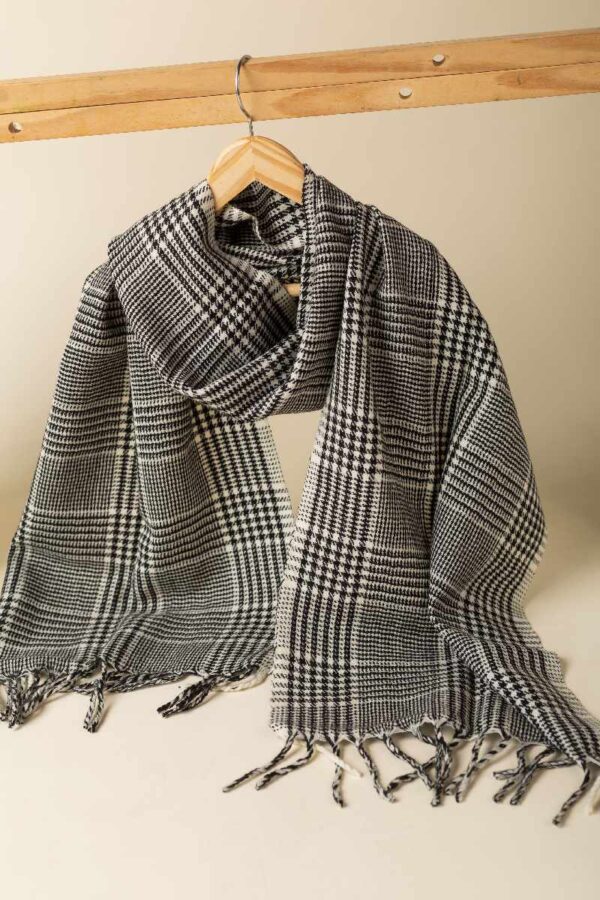
- Comfort for the night: loose cotton or mulmul you can sit in for hours, with a shawl for the cool night air.
- Temple-friendly: modest and easy to move in through crowds; shoes are left outside.
Browse soft whites and pastels across our collections.
Har Har Mahadev — a blessed Maha Shivratri to all.


