


Eid-e-Milad-un-Nabi, often called Milad or Barawafat, marks the birth of Prophet Muhammad in Mecca around 570 CE. Sunni Muslims in India observe it on the 12th day of Rabi al-Awwal, the third month of the Islamic calendar; some Shia communities observe it on the 17th. Like all Islamic dates, it moves about eleven days earlier each year.
How it is observed in India
- Prayer and remembrance: gatherings in mosques and homes to recite the Quran and remember the life and teachings of the Prophet — mercy, honesty, care for the poor and orphans, and kindness to all.
- Naat and qawwali: poems and songs in praise of the Prophet.
- Lights and decoration: mosques, streets and homes are decorated with green flags and lights — Hyderabad, Lucknow, Mumbai and Srinagar are especially beautiful.
- Processions: julus processions in many cities, with banners and recitations.
- Charity and food: feeding the poor and sharing sweets and meals with neighbours — in keeping with the Prophet’s teaching of generosity.
- Relics at Hazratbal: in Srinagar, a relic of the Prophet is displayed to devotees.
Not every Muslim community celebrates the day — some see it as a day of quiet remembrance rather than festivity — so greetings are warm but gentle: “Eid-e-Milad Mubarak”.
What to wear
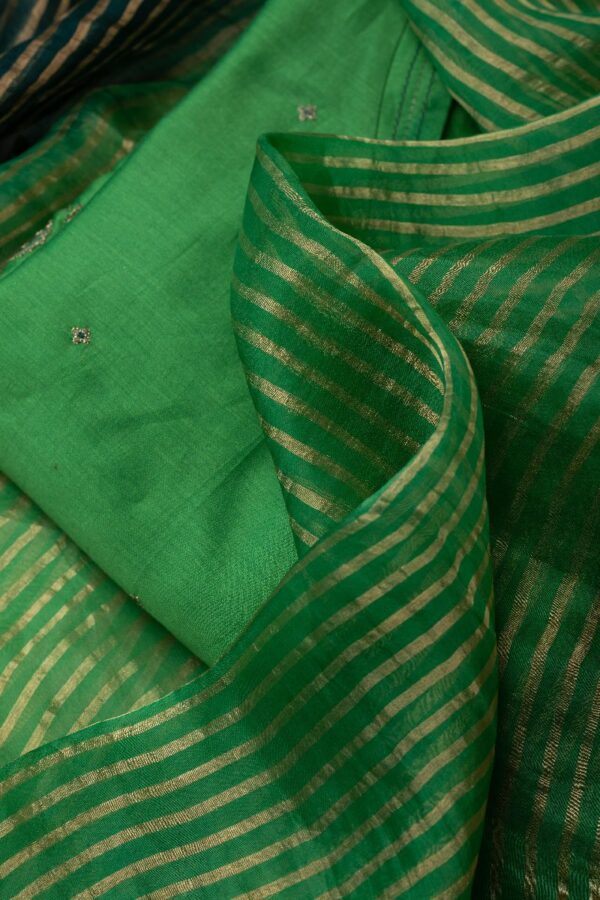
- White and green: white for purity and green, the colour associated with Islam, are commonly worn.
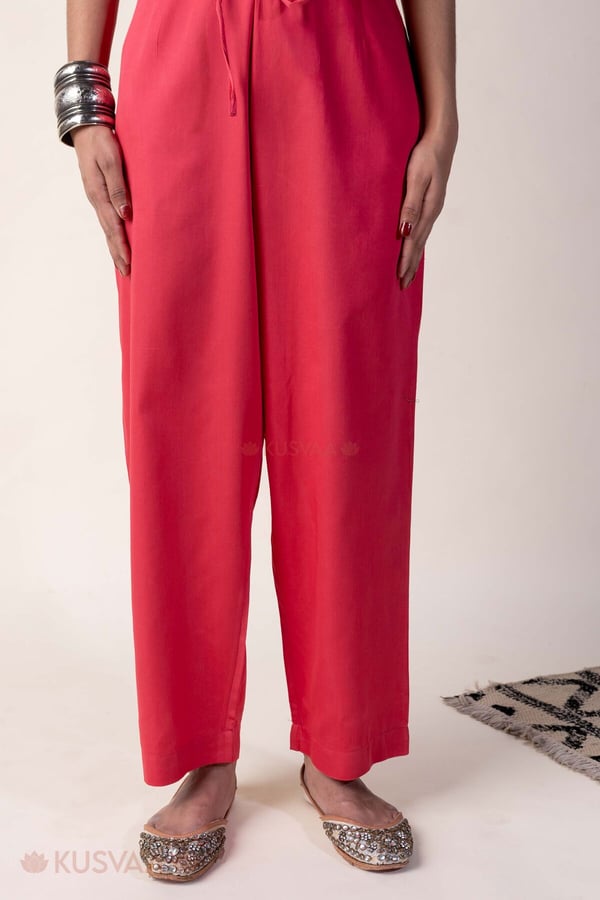
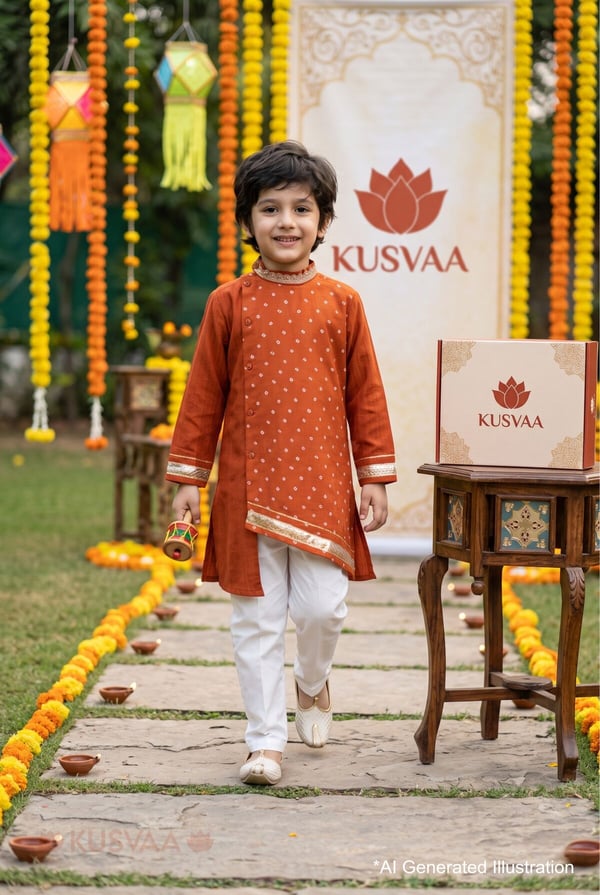
- Modest and elegant: long kurtas, kurta sets with a dupatta, for prayers and gatherings.
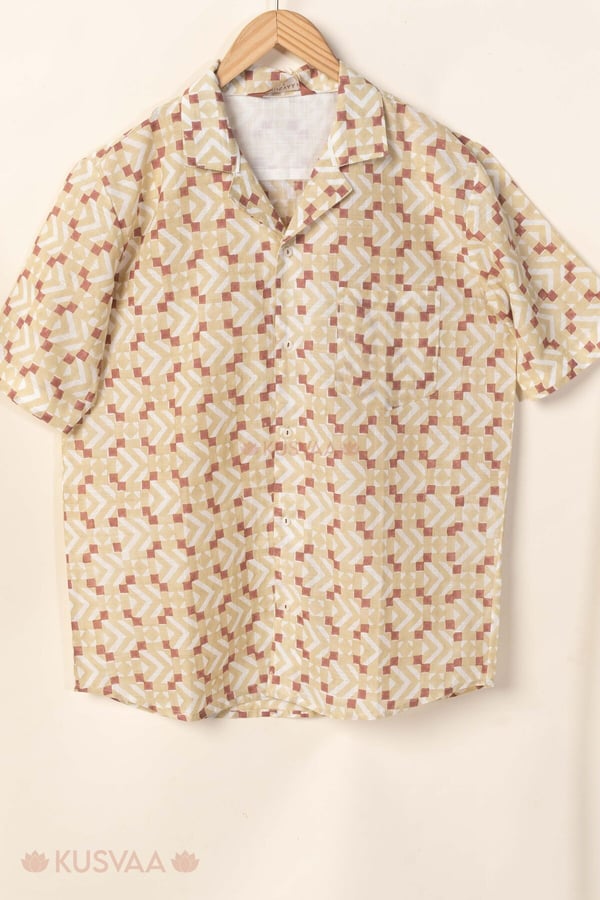
- For the season: light cotton and mulmul.
Find whites and soft greens across our collections.
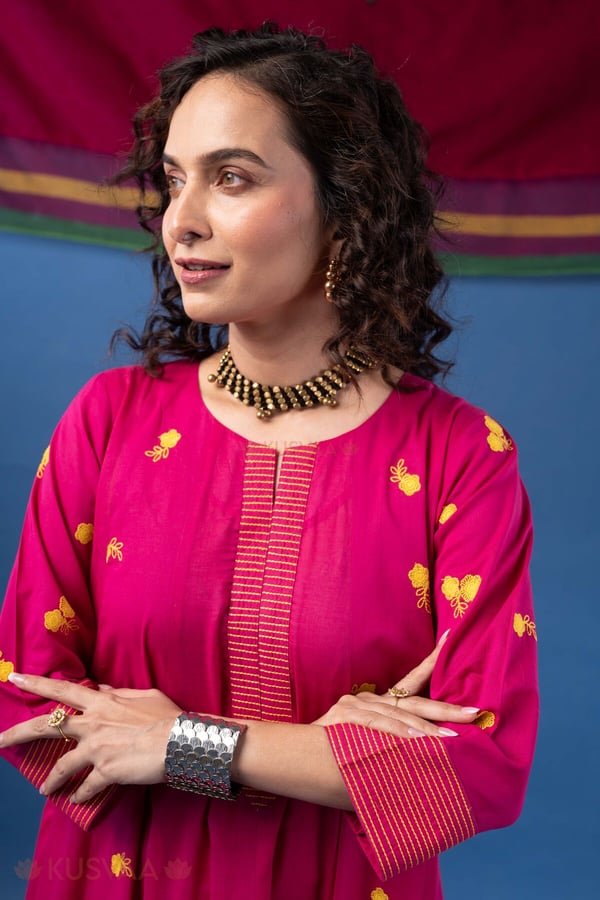
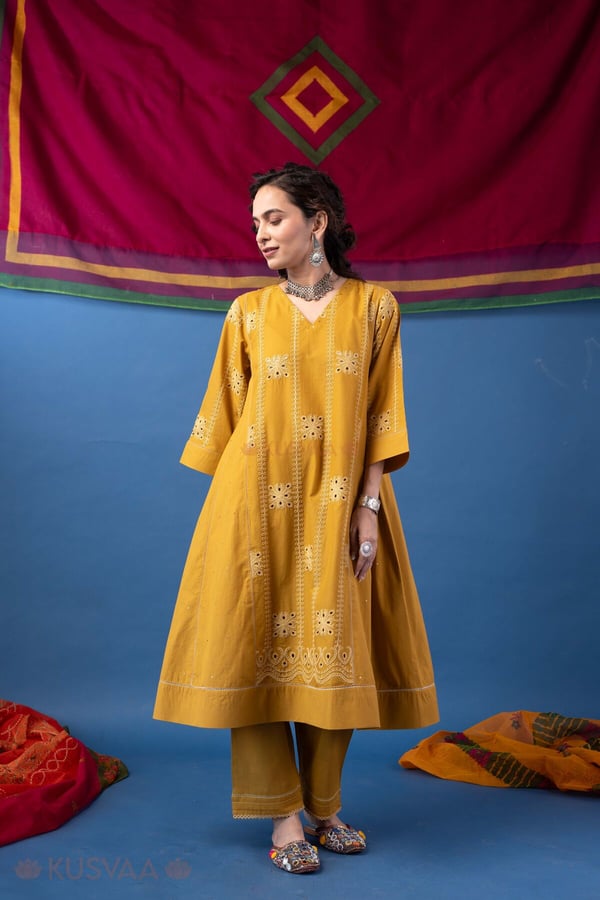
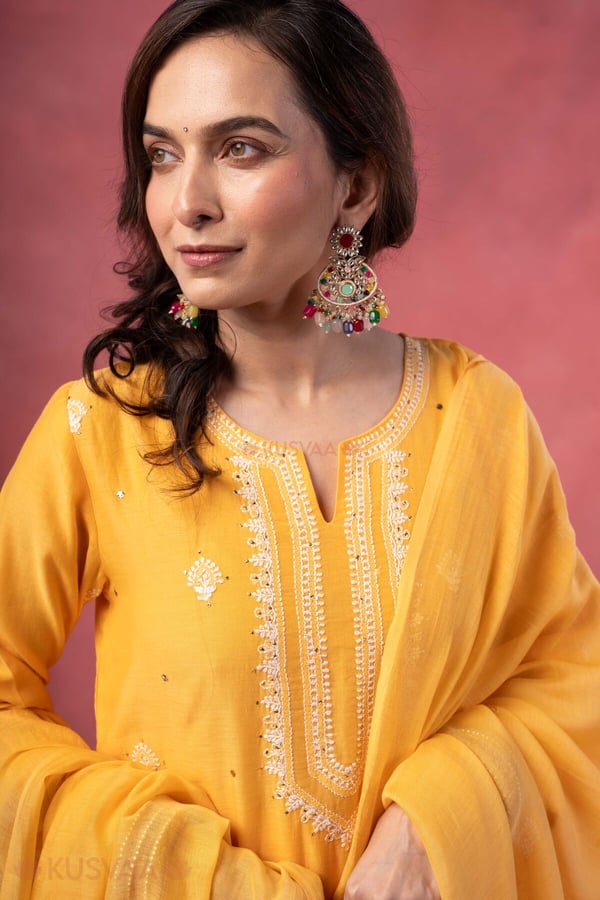
Eid-e-Milad Mubarak.
Coming up next
More from the Journal

Festivals of India
Karthigai Deepam: The Festival of Lamps of Tamil Nadu
Next: 24 Nov

Festivals of India
Guru Nanak Jayanti (Gurpurab): The Celebration of Guru Nanak Dev Ji
Next: 24 Nov

Festivals of India
Hornbill Festival: Nagaland’s Festival of Festivals
Next: 1 Dec

Festivals of India
Christmas in India: From Goa to Kolkata to Shillong, and What to Wear
Next: 24 Dec